
Pool Maintenance 101: What Every Richmond Pool Owner Should Know
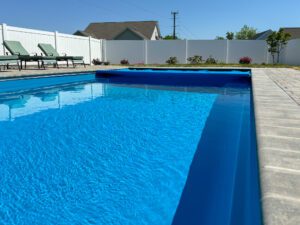
If you’ve recently had a pool installed — or you’re thinking about it — congratulations are in order. A well-designed pool is genuinely one of the best investments you can make in your home and your family’s quality of life. But there’s something most people don’t fully appreciate until they’re a few seasons in: a pool isn’t just a hole full of water. It’s an engineered system, and like any system, it needs consistent attention to keep running the way it should.
This guide is meant to give you a clear, honest picture of what’s actually happening inside your pool, why Richmond’s climate creates some specific challenges, and what it really takes to protect what you’ve built.
Your pool is five systems working together
Most people assume pool care is mostly about keeping the water clear and tossing in some chlorine when it looks off. That’s a little like thinking car maintenance is just about keeping the gas tank full. In reality, a residential pool is made up of five distinct systems, and each one needs to be monitored regularly.
The hydraulic system — your pump, plumbing, skimmers, drains, and return lines — is responsible for keeping water moving. Circulation is everything. Without proper flow and pressure, nothing else in the pool works correctly.
The filtration system is what actually cleans the water. Whether your pool uses a cartridge, sand, or DE filter, it has to be inspected and cleaned consistently. A clogged filter doesn’t just mean dirty water — it puts direct strain on your pump and can shorten its lifespan significantly.
Water chemistry is probably the most misunderstood part of pool ownership. Chlorine gets all the attention, but pH, alkalinity, calcium hardness, and stabilizer all have to stay within specific ranges. When they fall out of balance, the consequences aren’t just cosmetic. Acidic water slowly etches plaster and pebble finishes. High calcium causes scaling. Either extreme accelerates the deterioration of equipment. Chemistry problems that go unaddressed for a season can turn into repairs that cost thousands.
The structural shell and interior finish — your gunite or shotcrete shell, the plaster or aggregate surface, and the tile line — are more durable than they look, but they’re not indestructible. The interior finish in particular is directly affected by the chemistry of the water it’s constantly in contact with. Protecting it is largely a matter of keeping that chemistry dialed in.
Finally, the decking and coping interface — the hardscape surrounding your pool — is often overlooked in conversations about pool care. Expansion joints, drainage patterns, and how water moves away from the pool edge all matter. Poor drainage and freeze-thaw cycles can affect both the pool structure itself and the surrounding paver or concrete work.
Why Richmond’s climate demands more
Not every pool in every region faces the same challenges. Richmond sits in a climate zone that creates stress on both ends of the calendar, and it’s worth understanding what that actually means for your pool.
During the summer, the heat and humidity here accelerate chlorine degradation faster than in cooler climates, which means you can go from balanced water to an algae problem in a surprisingly short window if testing isn’t happening consistently. High humidity also promotes biofilm formation — the kind of organic buildup that doesn’t always show up visibly until it’s already a bigger issue.
Heavy summer rainfall — which Richmond gets plenty of — dilutes your chemicals, introduces debris and organic contaminants, and throws off pH and alkalinity. A significant rain event can meaningfully change your water chemistry in a single afternoon.
The other end of the calendar presents a different set of challenges. Unlike pools in Florida or coastal South Carolina, Richmond pools have to be winterized properly every single year. Freeze-thaw cycles are hard on plumbing lines, fittings, coping, and tile. A pool that isn’t properly closed before temperatures drop can sustain real structural damage — the kind that wouldn’t have happened with a few hours of proper seasonal preparation.
That combination of aggressive summer management and careful winterization is what makes professional oversight particularly valuable in Central Virginia.
The real cost of skipping maintenance
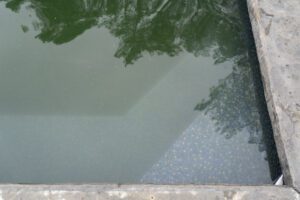
It’s easy to think of maintenance as an ongoing expense you can dial back when other priorities come up. The problem is that most pool damage is cumulative and quiet. You don’t always notice it happening until you’re already looking at a significant repair bill.
Burned-out pumps from filters that were never cleaned. Heater failure from chemistry that was left out of balance too long. Surface staining from pH that drifted without anyone catching it. Plumbing cracks from a winter where the pool wasn’t properly closed. These aren’t unusual scenarios — they’re among the most common service calls in the industry, and they’re almost entirely preventable.
Routine professional maintenance typically costs a small fraction of what any one of those repairs will run. The math is pretty straightforward.
What a solid maintenance plan actually looks like
A well-structured maintenance program for a Richmond pool should include weekly water testing and chemical balancing, regular skimming, brushing, and vacuuming, filter inspection and cleaning on a consistent schedule, equipment pressure monitoring, and early leak detection. On top of that, professional seasonal opening and winterization services are not optional extras — they’re a core part of protecting the investment.
What you get from that kind of consistent oversight is balanced water that’s safe and clear, equipment that lasts as long as it’s designed to, a surface finish that stays intact, and a pool that’s genuinely ready to use every season without drama.
It’s also worth noting that in Richmond’s competitive real estate market, a well-maintained pool is a genuine asset at resale. Buyers notice surface staining, cloudy water, aging equipment, and cracked coping. A pool that’s been professionally cared for reads as a feature. One that hasn’t reads as a project.
A note on DIY maintenance
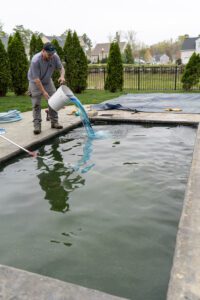
There’s nothing wrong with being hands-on with your pool, and plenty of homeowners handle some of their own routine care successfully. But it’s worth being clear-eyed about where DIY approaches tend to fall short. Inconsistent testing, over-chlorination, improper chemical combinations, and delayed responses to changes in filtration pressure are all common — and all of them add up over time. Pools are engineered systems, and they respond best to consistent, technically informed oversight rather than reactive treatment when something looks wrong.
At Fortress Pool Care (www.fortresspoolservice.com), our maintenance programs are built specifically around the demands Central Virginia places on pool systems — not a generic checklist, but structured seasonal management designed to protect your pool’s performance, equipment, surface, and long-term value.
Built by Cleanstone. Maintained by Fortress.
Frequently Asked Questions

How often should a pool be professionally serviced in Richmond, VA?
Weekly service is recommended due to heavy rainfall, summer heat, and humidity fluctuations.
What happens if pool chemistry is unbalanced?
Improper chemistry can cause surface damage, scaling, algae growth, and premature equipment failure.
Is professional pool maintenance worth it?
Yes. Preventative care significantly reduces the risk of expensive repairs and extends equipment life.
When should pools be winterized in Richmond?
Pools should be professionally winterized before the first hard freeze to prevent plumbing damage.

