
9 Things to Know Before Building a Pool in Richmond VA
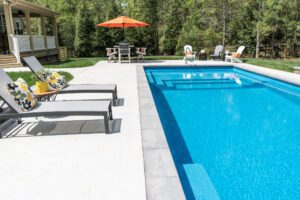
Building a swimming pool is one of the most impactful investments you can make in your Richmond home. When properly designed and engineered, a pool becomes more than a feature—it becomes the foundation of your outdoor living environment.
However, pool construction involves far more than excavation and installation. Soil conditions, drainage, structural engineering, utilities, and long-term maintenance all play critical roles in ensuring the pool performs properly for decades.
Understanding these factors before construction begins protects both your investment and your property.
1. Soil Conditions and Structural Engineering
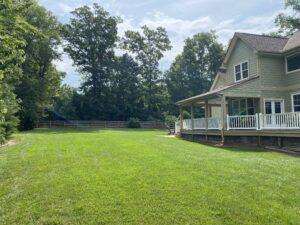
In Richmond, Midlothian, Short Pump, and surrounding areas, soil composition varies significantly. Clay-heavy soil, which is common in Central Virginia, expands and contracts with moisture changes.
This movement creates pressure against the pool shell.
Without proper engineering, this can lead to:
- Structural cracking
- Deck movement
- Plumbing stress
- Surface damage
A properly engineered gunite pool is designed to withstand Richmond’s soil conditions and seasonal movement.
This is not an area where shortcuts can be taken.
2. Drainage Planning Is Critical
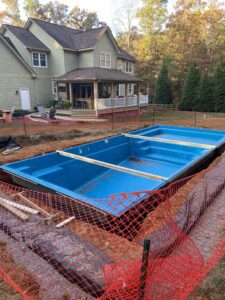
Drainage is one of the most overlooked—and most important—elements of pool construction.
Pools change how water flows across your property. Improper drainage can cause water to collect around the pool structure, leading to:
- Soil erosion
- Deck settling
- Structural stress
- Water intrusion toward your home’s foundation
Professional builders design drainage systems that direct water safely away from both the pool and the home.
This protects the long-term stability of the entire outdoor environment.
3. Understanding Richmond’s Climate Impact
Richmond’s seasonal climate creates unique challenges that must be addressed during design and construction.
Environmental considerations include:
- Summer heat that accelerates evaporation
- Heavy rainfall that affects drainage and water chemistry
- Freeze-thaw cycles that impact plumbing and decking
- Humidity that promotes algae growth
Pools built with Richmond’s climate in mind perform better and last longer.
4. Equipment Selection Determines Long-Term Performance
Pool equipment is the mechanical heart of your pool system.
This includes:
- Pumps
- Filters
- Heaters
- Automation systems
- Sanitization systems
High-quality equipment improves efficiency, reduces maintenance costs, and extends system lifespan.
Poor equipment selection often leads to premature failure and higher long-term ownership costs.
5. Pool Placement and Sun Exposure
Where the pool is placed on your property directly affects usability and efficiency.
Factors include:
- Sun exposure for natural heating
- Shade considerations
- Privacy from neighboring homes
- Integration with existing patios, decks, and outdoor living areas
- Accessibility from the home
Strategic placement improves comfort, efficiency, and overall enjoyment.
6. Integration With Your Full Outdoor Living Plan
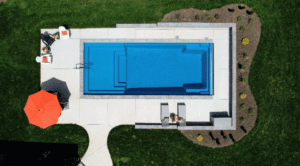
The most successful pool projects are designed as part of a complete outdoor living environment—not as a standalone feature.
This may include:
- Composite decks
- Paver patios
- Outdoor kitchens
- Covered pavilions
- Fire features
- Lighting systems
Designing the entire space together ensures cohesion, functionality, and long-term value.
7. Safety, Code Compliance, and Permits in Richmond
Pool construction in Richmond and surrounding counties requires strict compliance with local building codes.
This includes:
- Barrier and fencing requirements
- Electrical bonding and grounding
- Drain safety standards
- Permit approvals and inspections
Working with a licensed, experienced contractor ensures all safety and code requirements are properly met.
8. Long-Term Maintenance Planning
A pool is a long-term system that requires ongoing maintenance.
Planning for maintenance from the beginning protects:
- Equipment lifespan
- Surface integrity
- Water quality
- Overall performance
Professional maintenance ensures the pool continues operating efficiently long after construction is complete.
9. Choosing the Right Pool Builder Matters Most
The most important decision in the pool construction process is selecting the right builder.
An experienced, licensed contractor ensures proper:
- Engineering
- Drainage design
- Equipment selection
- Structural installation
- Code compliance
Pool construction is permanent. Proper installation protects your investment for decades.
Final Thought: Build It Right the First Time
A pool is not just a backyard feature—it is a structural and mechanical system integrated into your property.
When properly designed and built, it enhances lifestyle, increases property value, and provides long-term enjoyment.
When shortcuts are taken, problems often appear years later.
Invest in proper design.
Invest in proper engineering.
Build with intention.

